ASEAN Clothing Fashion (10 Countries)
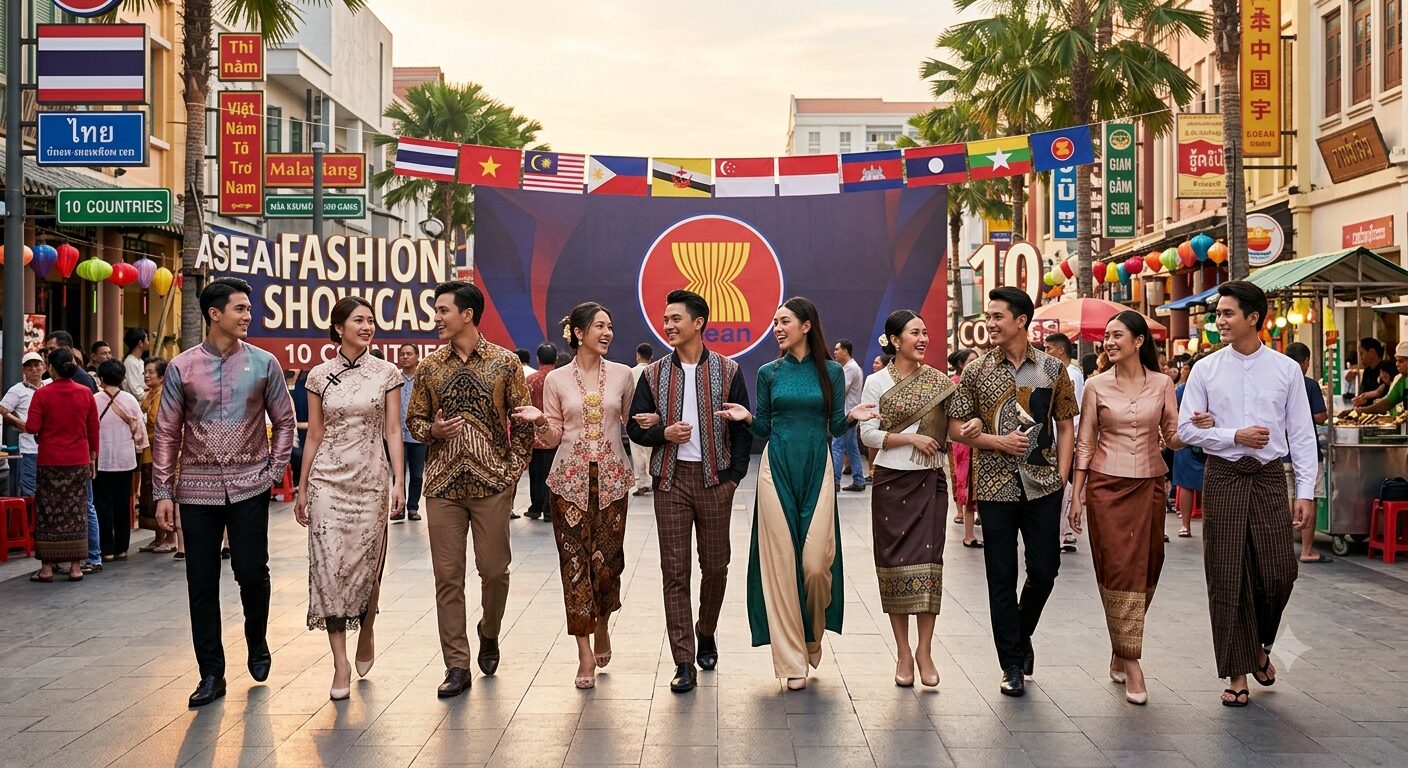
The ASEAN fashion industry in 2026 is experiencing massive growth, fueled by localized supply-chain shifts and global demand for Southeast Asian heritage designs and sustainable manufacturing. The sector is driven by major cross-border B2B trade events, regional expansion of direct-to-consumer labels, and a design push toward unapologetic maximalism.
Southeast Asian fashion is a diverse, rapidly evolving landscape blending deep-rooted heritage with modern, sustainable, and bold designs. Key trends include the fusion of traditional textiles like batik with contemporary styles, a shift towards personalized “local identity” over international luxury, and a growing emphasis on sustainable, locally produced garments
Key Trends & Themes: Fusion & Heritage: Designers are reimagining traditional attire—such as Thai silk, Philippine inabel, and Indonesian batik—into modern, wearable fashion. “Local Pride” Luxury: Consumers are shifting from purely brand-driven luxury to valuing stories, heritage, and local identity. Sustainable Movement: As a response to fast fashion, there is a rising, though challenging, movement towards sustainable and ethical production in the region. Bold & Tropical: Regional fashion often features vibrant colors and, in areas like the Philippines, playful, sun-ready designs
ASEAN Countries & Clothing Markets
ASEAN Clothing Fashion. Fashion Identity of the ASEAN Countries. In the past several years the Asian fashion industry has begun to become more recognized in the world. Several of the ten South-East Asian nations takes part in this development. Years ago the Singapore government initially thought fashion was a sunset industry. But today local agencies helps to develop the long‐term sustainability of Singapore’s fashion industry. They are building capability and profiling Asian design talent on an international platform.
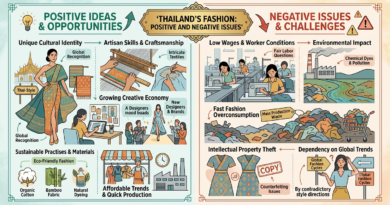
Thailand also has the ambition of becoming the fashion hub of Asia. The country is focusing on innovative designs of garments, textiles and leather goods. Its strategic location to become a distribution center of ASEAN textiles and design. Vietnam is the new kid on the block. Today, the country mainly produces clothes for the disposable or fast fashion industry giants. The country is facing shortage of professionals. Bringing in fashion designers and artists from other countries in Asia for sharing designs and ideas would fast track the Vietnamese fashion industry insiders says.
ASEAN and Asian Clothing
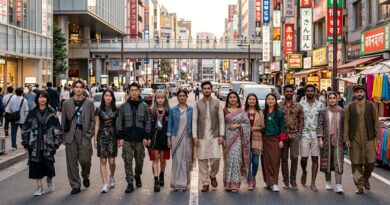
Leading Asian fashion countries include Japan, South Korea and China, known for high fashion and avant-garde design, and India, which has a massive mid-market fashion segment. Other significant fashion hubs with growing influence are Hong Kong, Singapore, Vietnam, and Thailand. These countries contribute to global fashion through a combination of innovative design, high-end brands, streetwear, and large-scale garment manufacturing
ASEAN
ASEAN is the Association of Southeast Asian Nations, a regional intergovernmental organization founded in 1967 to promote economic, political, security, and cultural cooperation among its member states. It was established by the original five members (Indonesia, Malaysia, the Philippines, Singapore, and Thailand) and has since expanded to include Brunei, Vietnam, Laos, Myanmar, Cambodia, and Timor-Leste, making it a group of 11 member states. ASEAN aims to accelerate economic growth, promote peace and stability, and foster social development in Southeast Asia.
Major fashion events in the ASEAN nations
The major fashion events in ASEAN nations highlight a mix of high-profile runway shows, sustainability-focused exhibitions, and B2B trade fairs across Southeast Asia. Key Regional and International Events:
ASEAN International Fashion Week (AIFW): Known for featuring designers from all 10 ASEAN nations, this event focuses on sustainability and digital integration, often held in Singapore. Asia Fashion Show Series: A major B2B exhibition platform covering the region, with confirmed dates in Bangkok (July), Jakarta (August), Kuala Lumpur (September), and Ho Chi Minh City (December). ASEAN Fashion Designers Showcase (AFDS): A non-profit platform promoting designers through various, often digital, regional event
Please note that we are currently redesigning this site. We invite you to visit back periodically, as more information will be provided step-by-step. Our website was actually launched in 2003, but due to technical challenges, we had to switch to a new online platform.